
ntroduction: Why SEO Matters for Small Businesses
Search Engine Optimization (SEO) is the practice of improving your website's visibility in search engine results pages (SERPs). When someone searches for "best restaurant in Pokhara" or "graphic design services Nepal," SEO determines which businesses appear at the top. According to BrightEdge research, organic search drives 53% of all website traffic, making it the single largest source of online visitors for most businesses.
For small businesses in Nepal, SEO offers a uniquely cost-effective marketing channel. Unlike paid advertising where you pay for every click, organic search traffic is essentially free once you achieve good rankings. A local bakery, a tuition center, a design agency, or a hotel can all attract customers consistently through SEO without spending heavily on ads.
This guide covers the essential SEO strategies that every small business owner in Nepal should understand and implement.
How Search Engines Work
Before diving into strategies, it helps to understand the basics of how Google and other search engines work. The process has three stages:
- Crawling: Search engine bots (called "spiders" or "crawlers") discover web pages by following links across the internet.
- Indexing: The search engine processes and stores the content of discovered pages in its database (the "index").
- Ranking: When a user searches, the engine's algorithm evaluates indexed pages and ranks them by relevance and quality.
Google uses over 200 ranking factors to determine search results. While the complete algorithm is proprietary, Google's own SEO Starter Guide outlines the most important factors for website owners to focus on.
Key Ranking Factors
Factor CategoryExamplesImportance
Content Quality
Relevant, comprehensive, original content
Very High
Backlinks
Links from other reputable websites to yours
Very High
Technical SEO
Site speed, mobile-friendliness, HTTPS security
High
User Experience
Easy navigation, low bounce rate, time on site
High
On-Page SEO
Title tags, meta descriptions, header structure, keyword usage
High
Local Signals
Google Business Profile, local citations, reviews
High (for local businesses)
Keyword Research: The Foundation of SEO
Keyword research is the process of identifying the search terms your potential customers use. Effective SEO begins with understanding what people are actually searching for.
How to Do Keyword Research
- Brainstorm seed keywords: List the main topics related to your business (e.g., "tuition classes Pokhara," "graphic design course Nepal").
- Use keyword research tools: Free tools like Google Keyword Planner, Ubersuggest, and AnswerThePublic show search volume, competition, and related queries.
- Analyze search intent: Understand whether searchers want information ("what is SEO"), to find a location ("SEO course near me"), or to make a purchase ("enroll in SEO course").
- Target long-tail keywords: Longer, more specific phrases (e.g., "affordable graphic design course in Pokhara") have lower competition and higher conversion rates.
Keyword Types and Examples
Keyword TypeExampleSearch VolumeCompetitionConversion Rate
Short-tail (Head)
"graphic design"
Very high
Very high
Low
Medium-tail
"graphic design course Nepal"
Medium
Medium
Medium
Long-tail
"affordable graphic design course in Pokhara"
Low
Low
High
Local
"tuition classes near Palikhe Chowk Pokhara"
Very low
Very low
Very high
On-Page SEO: Optimizing Your Website Content
On-page SEO refers to optimizations you make directly on your website pages. These are the elements you have full control over.
Essential On-Page Elements
- Title tags: Each page should have a unique, descriptive title tag (50-60 characters) that includes your target keyword. Example: "Graphic Design Course in Pokhara | Prime Learning"
- Meta descriptions: Write compelling 150-160 character summaries that encourage clicks. Include your keyword naturally.
- Header tags (H1, H2, H3): Use a clear heading structure. One H1 per page, with H2s for main sections and H3s for subsections. Include keywords in headings where it reads naturally.
- URL structure: Use clean, readable URLs. "/courses/graphic-design" is better than "/page?id=47".
- Image optimization: Use descriptive file names ("graphic-design-class-pokhara.jpg") and alt text. Compress images to improve page load speed.
- Internal linking: Link related pages on your site to each other. This helps search engines understand your site structure and keeps visitors engaged.
On-Page SEO Checklist
ElementBest PracticeCommon Mistake
Title Tag
Include keyword, keep under 60 characters
Duplicate titles across pages
Meta Description
Compelling summary with keyword, 150-160 chars
Leaving it blank or auto-generated
H1 Tag
One per page, includes primary keyword
Multiple H1s or missing H1
Images
Descriptive alt text, compressed file size
No alt text, huge uncompressed images
URLs
Short, readable, keyword-inclusive
Long URLs with random parameters
Internal Links
Link to related pages naturally
No internal linking between pages
Local SEO: Critical for Businesses in Pokhara and Nepal
For businesses that serve a specific geographic area, local SEO is the most impactful strategy. When someone searches "tuition classes in Pokhara" or "design course near me," Google shows local results including a map pack with the top three local businesses.
Google Business Profile
Claiming and optimizing your Google Business Profile (formerly Google My Business) is the single most important local SEO action. A complete profile includes:
- Accurate business name, address, and phone number (NAP)
- Business hours and categories
- High-quality photos of your business
- Regular posts and updates
- Responses to customer reviews
Customer Reviews
Reviews are a major local ranking factor. Businesses with more positive reviews rank higher and attract more clicks. Encourage satisfied customers to leave Google reviews by making the process easy: share a direct review link via SMS or email after a purchase or service completion.
Local Citations
A citation is any online mention of your business name, address, and phone number. Consistent citations across directories like Yelp, Facebook, and local Nepali business directories help Google verify your business information and improve your local ranking.
Local SEO Action Plan
ActionPriorityTime Required
Claim and complete Google Business Profile
Critical
1-2 hours
Collect 10+ customer reviews
High
Ongoing
Ensure NAP consistency across all listings
High
2-3 hours
Add business to local directories
Medium
3-4 hours
Post weekly updates on Google Business Profile
Medium
15 mins/week
Technical SEO Basics
Technical SEO ensures that search engines can access, crawl, and index your website properly. Even great content will not rank if technical issues prevent search engines from reading it.
Key Technical Factors
- Mobile-friendliness: Google uses mobile-first indexing, meaning it primarily uses the mobile version of your site for ranking. Test your site with Google's Mobile-Friendly Test.
- Page speed: Slow websites rank lower and lose visitors. Aim for page load times under 3 seconds. Use PageSpeed Insights to analyze and improve performance.
- HTTPS security: Sites with SSL certificates (https://) rank higher than insecure sites (http://).
- XML sitemap: A sitemap helps search engines discover all your pages. Submit it through Google Search Console.
- Fix broken links: Broken pages (404 errors) waste crawl budget and create poor user experiences.
Content Marketing and SEO
Content is the fuel that drives SEO. Businesses that regularly publish helpful, relevant content attract more organic traffic over time. This is why blogs, guides, FAQs, and resource pages are so valuable for SEO.
Content Strategy for Small Businesses
Content TypePurposeExample for a Tuition Center
Blog posts
Target informational keywords, build authority
"How to Prepare for the SEE Exam"
Service pages
Target transactional keywords, convert visitors
"Class 10 Science Tuition in Pokhara"
FAQ page
Answer common questions, appear in featured snippets
"What subjects do you offer tuition for?"
Case studies
Build trust with real results
"How Student X Improved Grades by 30%"
The key is consistency. Publishing one high-quality blog post per week is more effective than publishing ten posts in one month and then nothing for three months.
Link Building Basics
Backlinks, which are links from other websites to yours, remain one of Google's strongest ranking signals. For small businesses in Nepal, practical link building strategies include:
- Local directories: Submit your business to Nepali business directories and chamber of commerce listings
- Partnerships: Exchange links with complementary local businesses (not competitors)
- Guest posting: Write helpful articles for local news sites, blogs, or industry publications
- Social profiles: Ensure your business has complete profiles on Facebook, Instagram, LinkedIn, and Google Business Profile
- Community involvement: Sponsoring local events or participating in community activities can earn mentions and links from event websites and news coverage
Avoid purchasing links or participating in link schemes, as Google penalizes these practices. According to Ahrefs, the quality of linking domains matters far more than the quantity. A single link from a reputable local news site is worth more than dozens of links from low-quality directories.
Measuring SEO Success
SEO is a long-term strategy. Results typically take 3 to 6 months to become visible. Track these key metrics to measure progress:
MetricToolWhat It Tells You
Organic traffic
Google Analytics
How many visitors come from search engines
Keyword rankings
Google Search Console, Ubersuggest
Where your pages rank for target keywords
Click-through rate (CTR)
Google Search Console
What percentage of people who see your listing click on it
Bounce rate
Google Analytics
How many visitors leave after viewing one page
Conversions
Google Analytics (Goals)
How many visitors take a desired action (call, form submit, etc.)
Both Google Analytics and Google Search Console are free tools that every business website should have installed from day one.
Conclusion: Start with the Basics, Build Consistently
SEO is not a one-time task but an ongoing process. The good news is that even basic SEO improvements can produce significant results for small businesses, especially in less competitive local markets like Pokhara.
Start by claiming your Google Business Profile, doing basic keyword research, optimizing your page titles and content, and ensuring your site is mobile-friendly and fast. As you build skills and confidence, expand into content marketing, link building, and more advanced technical optimizations.
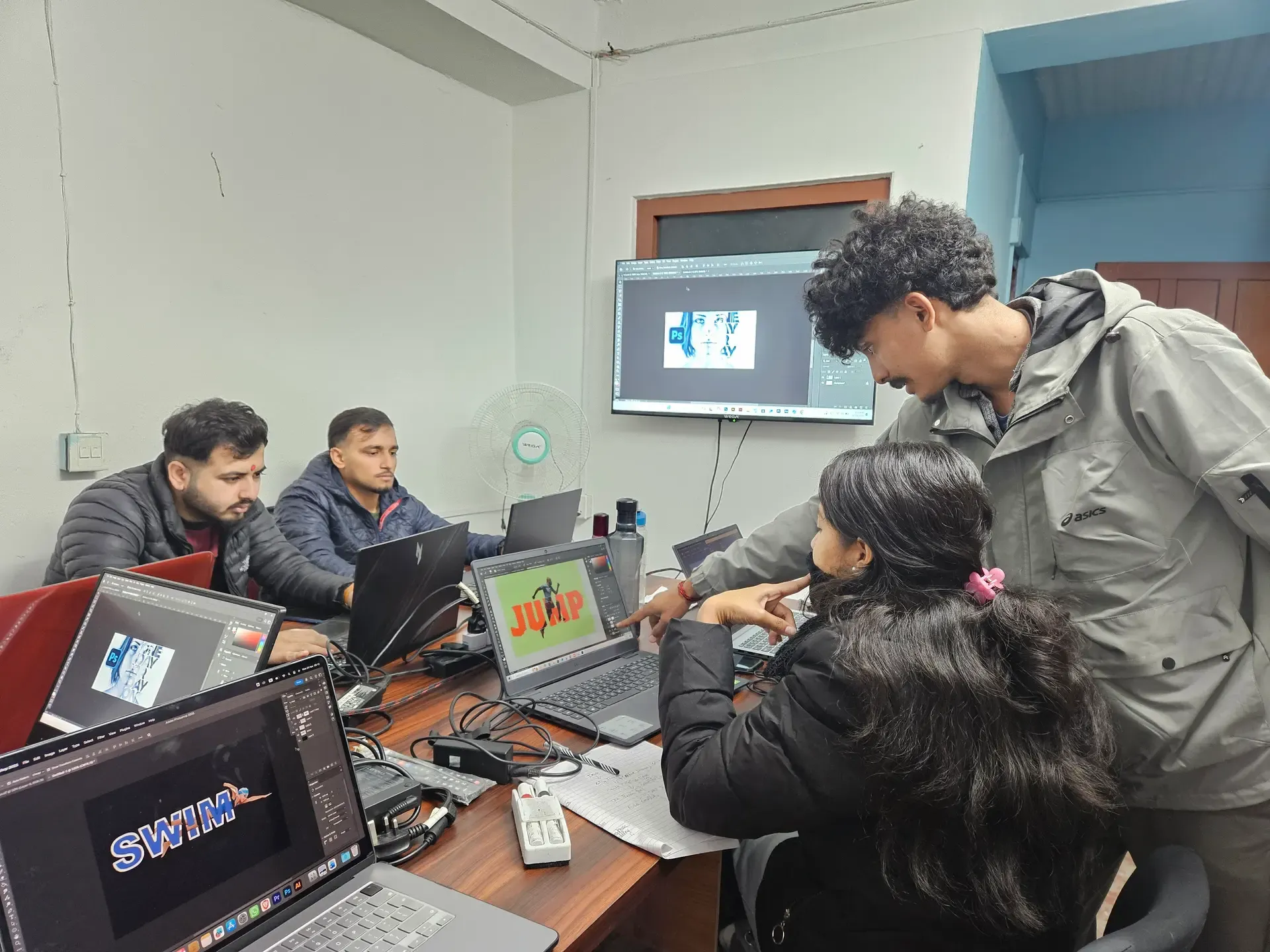
At Prime Learning, our two-month SEO and Digital Marketing course teaches all of these strategies with hands-on practice using real websites. Students learn to conduct keyword research, optimize websites, manage Google Business Profiles, and measure results using professional tools. Visit our courses page or contact us to learn more
Questions about this notice? Contact the Prime Learning office.
Contact school